Carrefour du Bois 2026: Positive mood despite weak timber market conditions
Carrefour du Bois 2026 confirmed its role as one of the key meeting points for the European timber industry, even as weak demand, tight margins, high log prices and rising costs continued to weigh on market sentiment.

Fordaq Report
Author

Fordaq, Neural Grader and TallyExpress at Carrefour du Bois 2026 in Nantes.
Market Review
Carrefour du Bois 2026: Positive mood despite weak timber market conditions
Carrefour du Bois 2026 confirmed its role as one of the key meeting points for the European timber industry, even as weak demand, tight margins, high log prices and rising costs continued to weigh on market sentiment.
Carrefour du Bois 2026 in Nantes once again confirmed its position as one of the leading meeting points for the European timber industry.
The fair brought together sawmills, importers, exporters, flooring producers, construction wood producers, panel companies, service providers and international buyers.
The overall message from the fair was mixed. The market remains weak, margins are tight, and uncertainty continues to affect business decisions.
At the same time, the mood in Nantes was surprisingly positive, with strong networking activity and a clear willingness from companies to meet clients, discuss opportunities and prepare for the next stage of the market.
Key signals from the fair
The timber market remains weak, but business activity has not stopped.
Margins remain under pressure across several parts of the supply chain.
French softwood mills reported weak demand but acceptable sales in some cases.
High spruce log prices remain a major concern for sawmills.
Benelux importers described sales as steady, while costs continue to rise.
The atmosphere at the fair was active, positive and strongly focused on networking.
French mills: weak market, but sales still moving
From a French market perspective, softwood mills described the market as weak, but not entirely negative.
Some French sawmills noted that there is currently less competition from Central European sawmills, which has helped keep sales at acceptable levels.
However, high spruce log prices remain a major concern. Several mills said raw material costs are too high compared with the current selling environment.
This continues to put pressure on profitability, especially in a market where customers remain cautious and margins are limited.
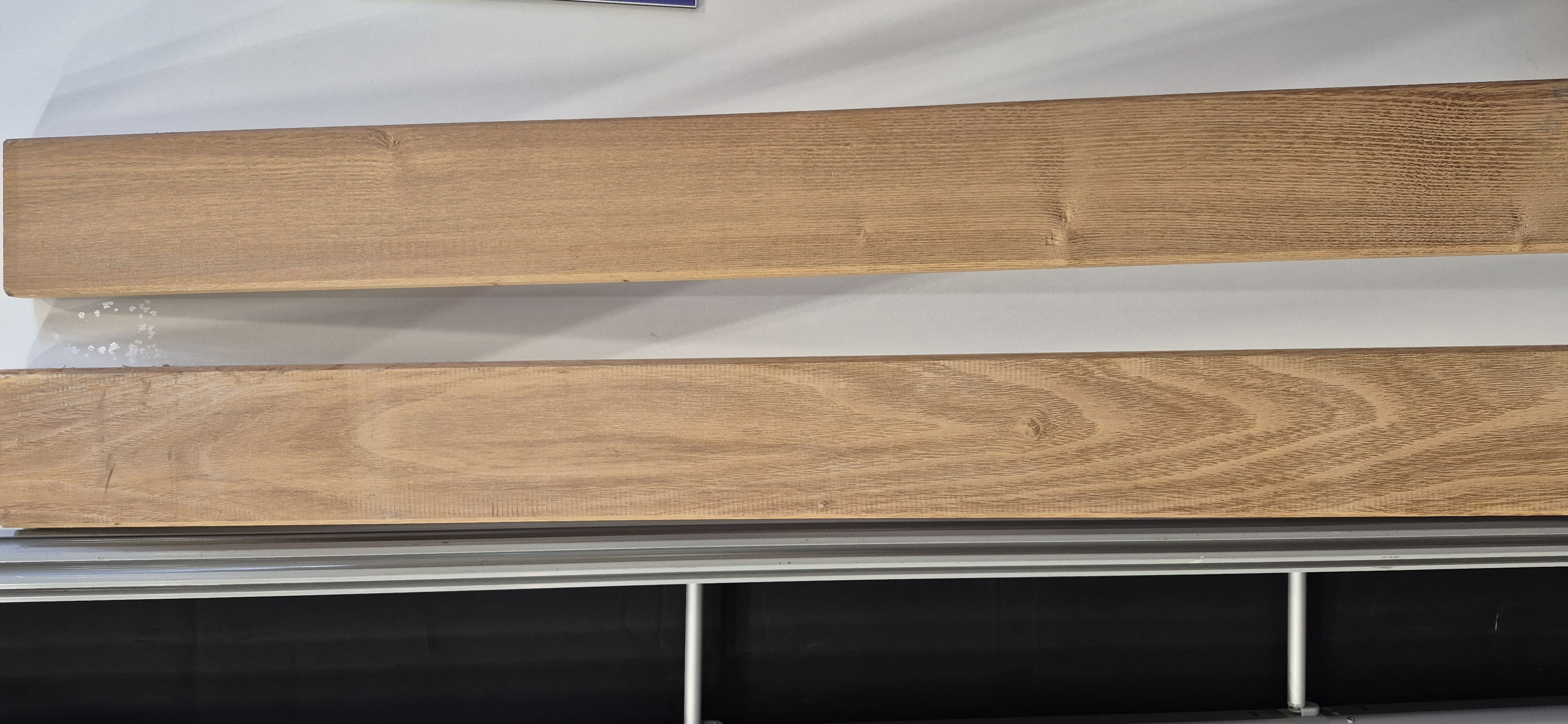
In the hardwood sector, the situation appears more divided. Oak sawmills producing high-grade boules seem to be performing better than companies focused on lower-grade products.
This reflects a wider market trend where higher-quality and more specialised products are showing more resilience than standard or lower-margin material.
Orders are present, but margins remain low
One repeated observation from the fair was that orders still exist, but profitability is under pressure.
Market participants are not necessarily without business, but many are working with very little margin.
This was also reflected in discussions with importers from the Benelux region. Their sales were described as steady, but costs are rising significantly.
This combination of stable turnover and increasing costs is creating pressure across the supply chain.
For many companies, the current challenge is not only finding buyers, but maintaining profitability while dealing with higher logistics, production and raw material costs.
Market pressure points
Weak demand in several timber segments
Limited margins despite ongoing order activity
High spruce log prices for French softwood mills
Rising costs for importers and distributors
Continued uncertainty affecting business decisions
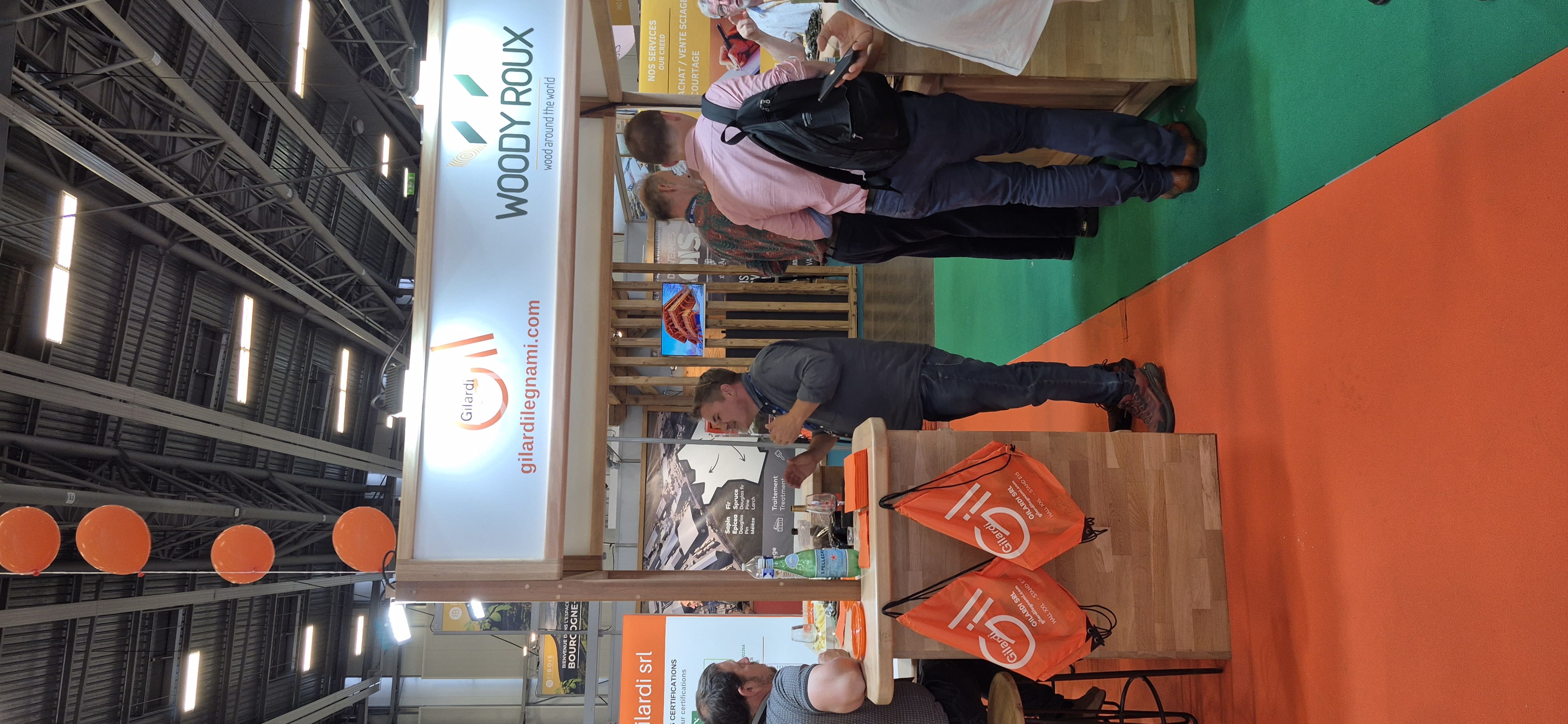
International exhibitors and timber companies were visible across the halls at Carrefour du Bois 2026.
International participation and regional market signals
Compared with the previous edition, several participants felt that there were more foreign visitors and fewer French visitors.
This gave the fair a more international feeling and confirmed Carrefour du Bois as a key meeting point for the timber trade beyond France.
Latin America and the Iberian Peninsula were also well represented. Brazil had a strong presence through individual companies and associations, while Peru participated with a shared national stand.
Chile, Uruguay, Portugal and Spain were also present through exhibitors and visitors. The Iberian presence was seen as a sign of cautious but genuine optimism.
From the Latin American side, the main concerns discussed were freight costs, tariffs and logistics.
Companies exposed to the U.S. market were especially cautious because of recent U.S. trade policy uncertainty.
In this context, Europe is increasingly seen by some South American companies as a more stable and predictable market, even if volumes are generally smaller.
There is also optimism around possible progress in EU-Mercosur negotiations.
The products attracting interest from these markets included hardwood decking, wood panels, sawn timber for pallets and packaging, pellets, mouldings and flooring.
Networking remained the main purpose of the fair
For many exhibitors, Carrefour du Bois was mainly about networking.
Existing clients came to meet their suppliers, business partners used the opportunity to reconnect face to face, and companies also looked for new contacts.
Several exhibitors also used the fair to present new products or services.
Companies from Germany and Austria were present, including import-export businesses, sawmills, flooring producers and construction wood producers.
Although the market itself remains difficult, the atmosphere was active and positive.
Several stands had bars and informal meeting areas, creating a relaxed environment for business discussions.
This positive feeling did not necessarily reflect the current market situation, but rather the industry’s need for direct contact during uncertain times.
Products and themes discussed
Hardwood decking
Wood panels
Sawn timber for pallets and packaging
Pellets
Mouldings and flooring
Construction wood products
Digital tools and business-matching solutions
Interest in digital solutions and smarter business tools
Another point of interest at the fair was the attention given to Fordaq’s NG and Smart Bundle discussions.
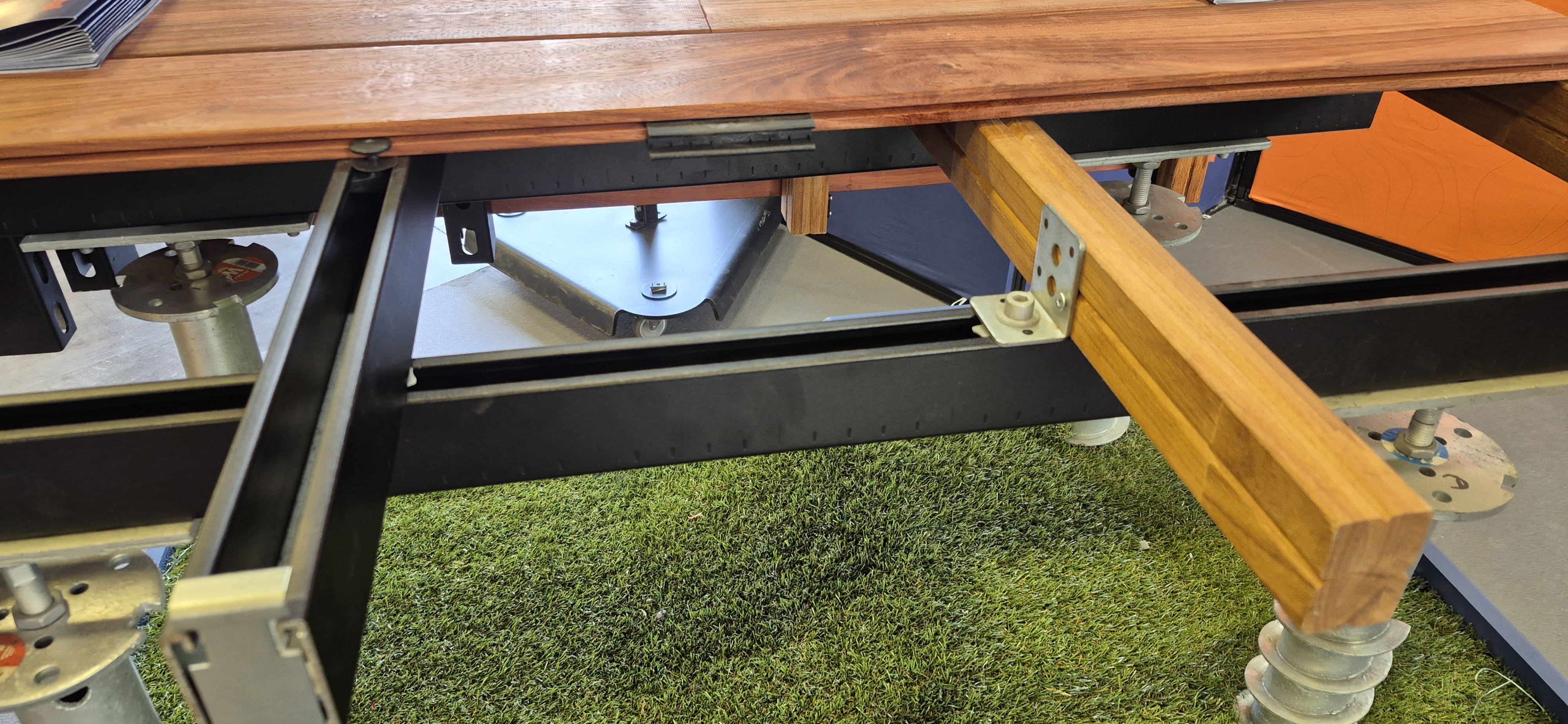
Digital tools and smarter timber business solutions were among the subjects discussed at the fair.
Several companies showed strong interest in these solutions, with some describing them as potentially important for the future of the industry.
The reaction suggests that companies are increasingly open to tools that can improve visibility, efficiency and business matching.
In a market where margins are tight and uncertainty is high, digital solutions that help companies find the right partners and reduce wasted effort are becoming more relevant.
Wood use is becoming more targeted and efficient
One important trend discussed at the fair was the changing role of wood in construction and renovation.
The goal is no longer always to build entirely with wood. Instead, the focus is shifting towards using wood efficiently and in the right places.
This is especially visible in renovation projects and non-residential construction, where wood is increasingly valued for its performance, sustainability and design flexibility.

Certified timber, sustainable wood products & bars remained visible themes at Carrefour du Bois 2026.
Sustainability and durability were also central themes in many products presented at the fair.
From solid wood to finished design and construction elements, companies showed solutions aimed at extending the life of wood products while avoiding environmentally harmful chemical treatments.
A resilient industry despite pressure
Overall, Carrefour du Bois 2026 showed an industry under pressure, but still active and forward-looking.
Demand remains weak in several areas, margins are tight, log prices are high in some regions, and costs continue to rise.
At the same time, the fair showed that companies are not standing still.
They are meeting clients, presenting products, looking for efficiencies, and adapting to a more uncertain market environment.
The most accurate summary of the event may be this: business conditions remain challenging, but the industry’s attitude is still resilient, practical and positive.
Source: Fordaq team observations and market discussions at Carrefour du Bois 2026
Share this post